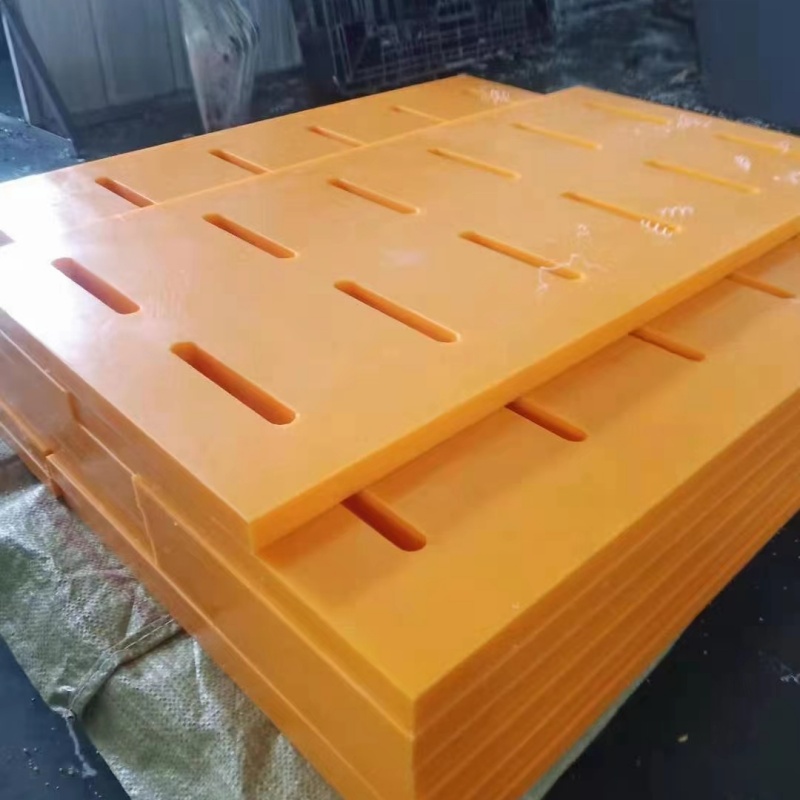
How to select trench cover plate for food workshops and chemical plants to avoid easy damage?
Trench cover plates in food workshops and chemical plants are exposed to water, cleaning agents and chemical solutions. They also bear constant load from workers and forklifts. Cast iron covers rust easily. Common plastic covers have limited load capacity and break quickly, leading to high replacement cost. The selected material must balance corrosion resistance, load capacity and impact resistance. Our polymer trench cover plates are made from ultra high molecular weight polyethylene. They resist acid and alkali corrosion and will not be oxidized by sewage and cleaning chemicals. The smooth surface reduces residue buildup for easy cleaning, which meets hygiene requirements for food processing areas. The tough material resists cracking under forklift pressure and heavy impact. It is much lighter than cast iron for easy handling and installation. When selecting products, confirm your application first. Anti-slip surface is preferred for food workshops. For chemical plants, check the pH value of chemicals to match the proper material formula. Then calculate span size and traffic load to choose the right thickness. Larger span requires thicker plates. Many buyers overlook anti-slip texture and hole layout. Improper holes cause poor drainage and blockage. As a manufacturer, we customize plate size, anti-slip patterns and drain holes according to trench width, water flow and load demand. If you need durable trench cover solutions for workshops, send us your drawings. We will provide selection advice and quotation.